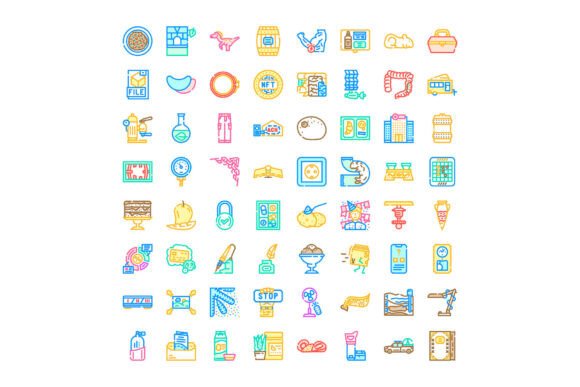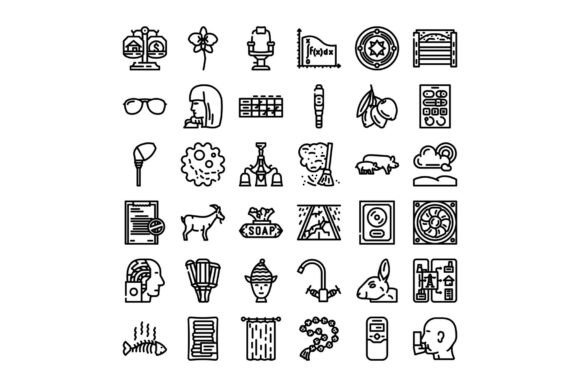
Diverse Collection of Line Art Symbols A
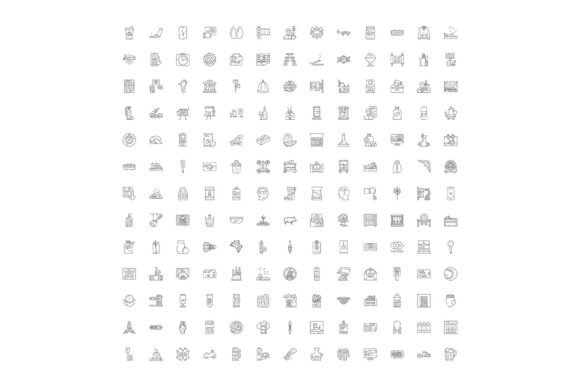
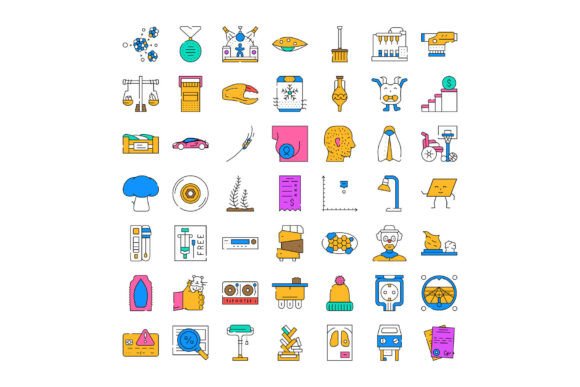
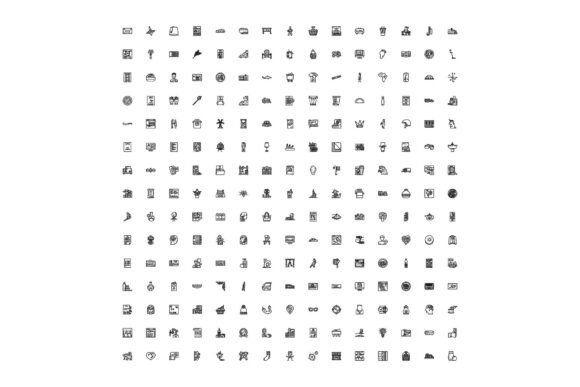
Whether you're designing a website, creating an infographic, or working on a digital illustration, having access to a diverse collection of line art symbols can make all the difference. The Diverse Collection of Line Art Symbols A offers a wide range of glyphs that represent objects, concepts, and abstract ideas. These symbols are ideal for UI design, infographics, and digital illustrations, especially when working with a white background.
This collection is more than just a set of images—it's a toolkit that empowers designers, developers, and creators to communicate complex ideas in a simple, visual way. With its clean, minimalist style, it fits seamlessly into modern design trends while maintaining clarity and functionality.
What Makes This Collection Unique?
The Diverse Collection of Line Art Symbols A stands out due to its variety and versatility. It includes everything from basic shapes and icons to more intricate representations of abstract concepts. Each symbol is crafted with precision, ensuring that it remains recognizable even at smaller sizes.
One of the key strengths of this collection is its adaptability. Whether you're working on a mobile app interface, a presentation slide, or a social media graphic, these symbols can be easily integrated without disrupting the overall aesthetic. Their simplicity also makes them highly scalable, so they look great on any device or screen size.
Another notable quality is the consistency in style. All elements follow a unified approach, making it easy to mix and match symbols without clashing. This uniformity helps maintain a cohesive look across different projects and platforms.
Practical Applications Across Industries
Designers and developers often turn to line art symbols for their ability to convey meaning quickly and effectively. In UI design, these symbols can replace text labels, making interfaces cleaner and more intuitive. For example, a magnifying glass icon can represent a search function, while a bell icon might signal notifications.
In the world of infographics, the Diverse Collection of Line Art Symbols A provides a visual language that enhances data storytelling. Instead of using lengthy explanations, you can use icons to represent categories, trends, or relationships. This not only saves space but also improves readability and engagement.
For educators and content creators, these symbols offer a powerful tool for simplifying complex topics. A teacher might use a brain icon to introduce a lesson on cognitive development, or a globe icon to discuss geography. Similarly, bloggers and publishers can use them to highlight key points in articles or social media posts.
Benefits for Different Use Cases
Using line art symbols can significantly improve usability and user experience. By reducing the need for text, you make information more accessible, especially for users who may have difficulty reading large blocks of text. This is particularly beneficial for mobile users or those with visual impairments.
From a branding perspective, consistent use of symbols can reinforce your brand identity. When used across multiple platforms—such as websites, apps, and marketing materials—the Diverse Collection of Line Art Symbols A helps create a unified visual presence that strengthens brand recognition.
On a productivity level, these symbols can streamline workflows. Designers can quickly find and apply the right icon without spending time searching for alternatives. This efficiency is especially valuable in fast-paced environments where time is a critical resource.
Choosing the Right Symbols for Your Project
Selecting the right symbols depends on the context and purpose of your project. Start by identifying the core message or concept you want to convey. Then, look for symbols that align with that message without adding unnecessary complexity.
Consider the audience as well. If your project targets a professional or technical audience, you may need more specific or detailed symbols. For a general audience, simpler and more universally recognized icons may be more effective.
Testing is also important. Once you've selected a few symbols, integrate them into your design and see how they perform. Do they enhance the message or confuse the viewer? Make adjustments as needed to ensure clarity and impact.
Recommendations for Effective Use
To get the most out of the Diverse Collection of Line Art Symbols A, start by organizing your symbols based on function or theme. Grouping similar icons together makes it easier to find what you need during the design process.
When using these symbols in digital illustrations, consider their placement and spacing. Overcrowding can reduce readability, while proper spacing ensures each symbol stands out clearly. Experiment with different layouts to find what works best for your design.
Finally, don't hesitate to combine symbols with other design elements like color, typography, and layout. This can add depth and interest to your visuals while maintaining a clean and professional look.
The Diverse Collection of Line Art Symbols A is more than just a set of graphics—it's a valuable resource that supports creativity, communication, and efficiency across a wide range of applications. Whether you're a designer, developer, educator, or business owner, incorporating these symbols into your work can help you achieve better results and deliver a more engaging experience to your audience.