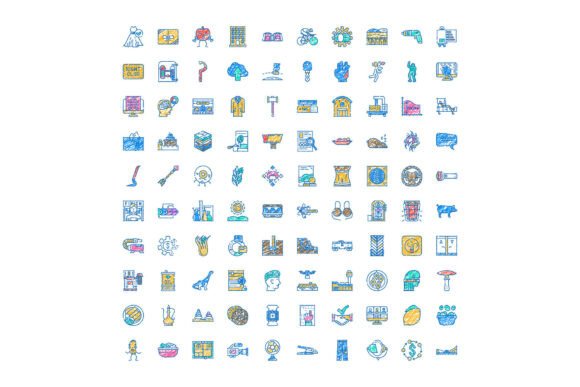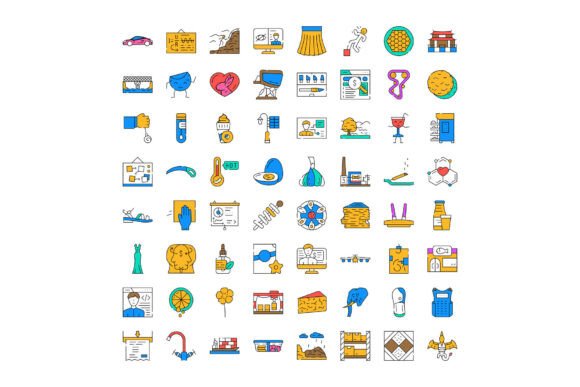
Exploring the Power of Diverse Flat Vector UI and Web Design Icons
In today’s digital age, visual communication plays a crucial role in how we interact with technology, education, and business. One of the most effective tools for this purpose is the collection of flat vector UI and web design icons. These icons are not just decorative elements; they serve as essential components in modern app development, website design, infographics, and digital projects. Whether you're a designer, developer, or business owner, understanding the significance of these icons can help you create more engaging and user-friendly experiences.
What Are Flat Vector UI and Web Design Icons?
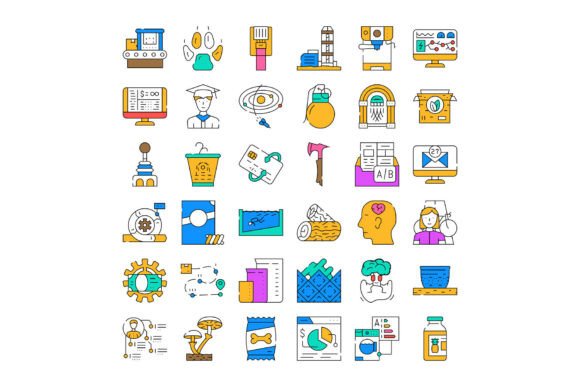
Flat vector UI and web design icons are simplified, two-dimensional illustrations that represent various concepts, functions, or categories. Unlike traditional icons that may include shadows, gradients, or complex details, flat icons use minimalistic designs with solid colors and clean lines. This style has become increasingly popular due to its versatility, scalability, and compatibility across different platforms and devices.
These icons are typically created using vector graphics software such as Adobe Illustrator or Figma. The advantage of vector-based design is that it allows for high-quality scaling without losing clarity, making them ideal for use in both small mobile interfaces and large digital displays.
Categories of Icons: Technology, Nature, Transport, Tools, and Services
The diversity of flat vector icons spans multiple domains, including technology, nature, transport, tools, and services. Each category serves a unique purpose and contributes to the overall visual language of digital products.
- Technology Icons
- Icons related to technology often depict devices like computers, smartphones, servers, and networks. They are commonly used in apps and websites that focus on digital services, software solutions, or IT infrastructure.
- Nature Icons
- Nature-themed icons can include elements like trees, water, animals, or weather symbols. These are frequently used in eco-friendly projects, educational content, or health and wellness applications.
- Transport Icons
- Transport icons represent vehicles, routes, maps, and travel-related concepts. They are vital for navigation apps, ride-sharing platforms, and logistics services.
- Tools Icons
- Tools icons illustrate hardware, software, or utility functions. They are useful in productivity apps, project management tools, and creative software interfaces.
- Services Icons
- Services icons can represent financial, healthcare, or customer support functions. They are often used in banking apps, medical platforms, or customer service portals.
The Purpose and Significance of Icon Collections
Icon collections are designed to provide a unified visual language that enhances user experience and improves communication. By using consistent and recognizable icons, designers can convey complex ideas quickly and efficiently. This is especially important in environments where users need to make quick decisions or navigate through multiple features.
For businesses, having access to a diverse collection of icons can streamline the design process. Instead of creating custom graphics from scratch, designers can select pre-made icons that fit their brand identity and functional needs. This saves time, reduces costs, and ensures a professional look across all digital assets.
Practical Relevance in Modern Life
Flat vector icons are not just limited to digital interfaces. They play a significant role in various aspects of daily life, from mobile apps to public signage. For example, a fitness app might use a running icon to indicate exercise routines, while a transportation app might use a bus or train icon to show available transit options.
In education, icons are used to simplify learning materials. Textbooks and e-learning platforms often incorporate icons to illustrate key concepts, making it easier for students to grasp complex ideas. Similarly, in the business world, infographics and presentations rely on icons to present data visually, helping audiences understand information at a glance.
How to Choose the Right Icon Collection
Selecting the right icon collection depends on several factors, including the target audience, the platform, and the specific needs of the project. Here are some considerations to keep in mind:
- Style Consistency: Ensure that the icons align with the overall design aesthetic of your project. A mismatched style can confuse users and detract from the user experience.
- Scalability: Choose icons that maintain clarity at different sizes. This is especially important for responsive web design and mobile applications.
- Customization Options: Some icon collections offer customization features, allowing you to adjust colors, shapes, or sizes to match your brand guidelines.
- License and Usage Rights: Verify that the icons you choose are available under a suitable license. Some collections may require attribution or have restrictions on commercial use.
Examples of Icon Usage in Real-World Projects
Let’s explore a few examples to illustrate how flat vector icons are applied in real-world scenarios:
- Mobile Apps: A food delivery app might use a plate icon to represent meals, a clock icon for delivery times, and a map icon for location tracking. These icons help users navigate the app intuitively.
- Website Design: An educational website could use a book icon for courses, a speech bubble for forums, and a checkmark for completed lessons. These icons enhance the visual hierarchy and guide users through the site.
- Infographics: A health infographic might include icons for vitamins, exercise, and nutrition to present information in an engaging and easy-to-understand format.
Common Misconceptions About Icon Collections
Despite their widespread use, there are some common misconceptions about icon collections that users should be aware of:
- Icons Are Just Decorative: While icons add visual appeal, their primary function is to communicate meaning. Poorly designed or unclear icons can lead to confusion rather than clarity.
- All Icons Are the Same: Icon collections vary in style, complexity, and usability. What works for one project may not be suitable for another.
- Free Icons Are Always Better: Free icon sets can be useful, but they may lack the quality, consistency, or licensing flexibility needed for professional projects.
Building a Broader Understanding of Digital Visual Communication
Understanding the role of flat vector icons is just one piece of the larger puzzle of digital visual communication. As technology continues to evolve, so do the ways in which we interact with digital content. Icons are becoming more dynamic, interactive, and adaptive, reflecting the growing demand for intuitive and accessible interfaces.
For beginners, exploring icon collections can be an excellent way to learn about design principles, user experience, and visual storytelling. For experienced designers, it offers an opportunity to refine their skills and stay up-to-date with industry trends.
In conclusion, the collection of business, food, and education icons, along with other categories like technology, nature, transport, tools, and services, plays a vital role in modern digital design. Whether you’re building an app, creating an infographic, or developing a website, these icons can help you communicate more effectively and enhance the user experience. By choosing the right icons and understanding their purpose, you can create digital solutions that are both functional and visually appealing.